 Kinyarwanda
 English



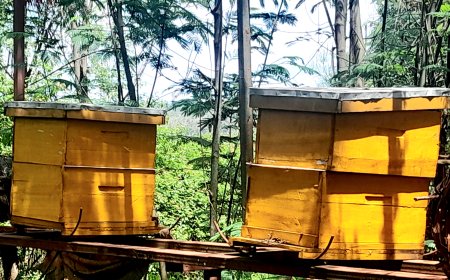










World Bank Grants Rwanda $141 Million to Strengthen Climate and Disaster Resilience
The World Bank has approved a $141 million (RWF 204 billion) financing package to help Rwanda strengthen its disaster risk management systems and build resilience against climate-related shocks. The support comes through the Disaster Risk Management Development Policy Financing (DPF), under the Catastrophe Deferred Drawdown Option (Cat DDO).
The program, approved on September 30, 2025, was developed in partnership with the Global Facility for Disaster Reduction and Recovery (GFDRR). It focuses on three pillars, which are: Enhancing access to disaster risk data and strengthening institutional coordination; building climate-resilient infrastructure to withstand floods, landslides, and other hazards; and protecting ecosystems and biodiversity as natural buffers against disasters.
Rwanda remains highly vulnerable to climate change, with about 80% of disasters linked to shifting weather patterns. Since the early 2000s, the country has faced increasing frequency and intensity of floods, landslides, and droughts.
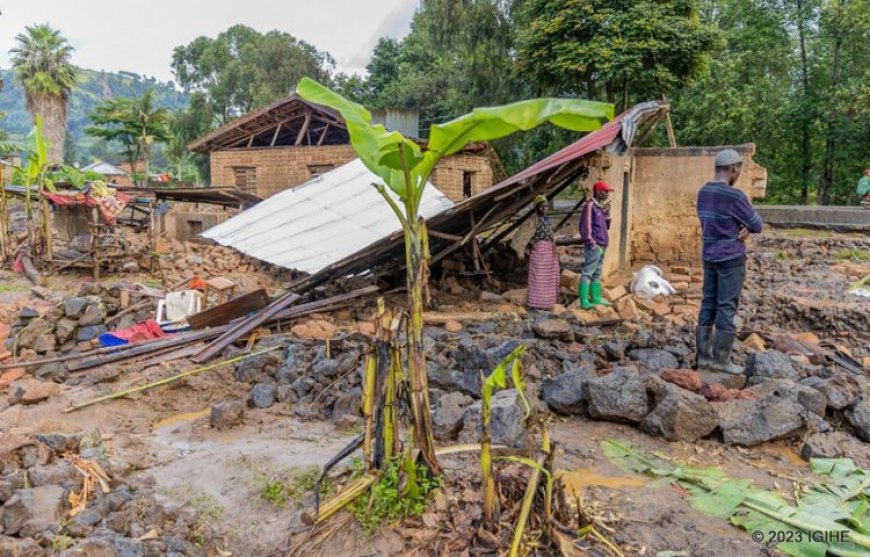
The financing is particularly aimed at addressing the consequences of the May 2023 floods and landslides, which killed 131 people, injured 104, displaced more than 18,000 families, and caused economic damages estimated at over RWF 271 billion ($187 million).
Sahr Kpundeh, World Bank Country Manager for Rwanda, said: “Rwanda has made remarkable progress in development over the past two decades, but climate change threatens to reverse these gains. The lessons from the 2023 floods have driven the establishment of this program to better support the most vulnerable communities.”

Landslides - Rubavu in 2022
Nearly 40% of Rwandans live in high-risk hilly areas prone to landslides, while only 6% of arable land is irrigated. With agriculture heavily reliant on rainfall, the World Bank warns that climate impacts could reduce Rwanda’s GDP by 5–7% below its potential level by 2050.pb
According to Saurabh Dani: “The Cat DDO approach is crucial for Rwanda’s climate resilience. By improving building standards, strengthening environmental management, and enhancing institutional collaboration, Rwanda is building the capacity to respond to disasters at multiple levels.”
This initiative aligns with the World Bank’s Rwanda Country Partnership Framework (2021–2026), which j,qqqqprioritizes climate adaptation and disaster risk management, particularly in rapidly growing urban areas vulnerable to flooding.
@imvahonsha