 Kinyarwanda
 English












Rwanda Confirms Security Coordination With AFC/M23, Citing National Defense Imperatives
Rwanda has stated that its security coordination with the AFC/M23 armed group in eastern Democratic Republic of Congo (DRC) is a defensive and temporary measure rooted in the imperative to protect Rwanda’s national security and safeguard Congolese Tutsi civilians who continue to face violence from the Forces Démocratiques de Libération du Rwanda (FDLR) and allied militias.
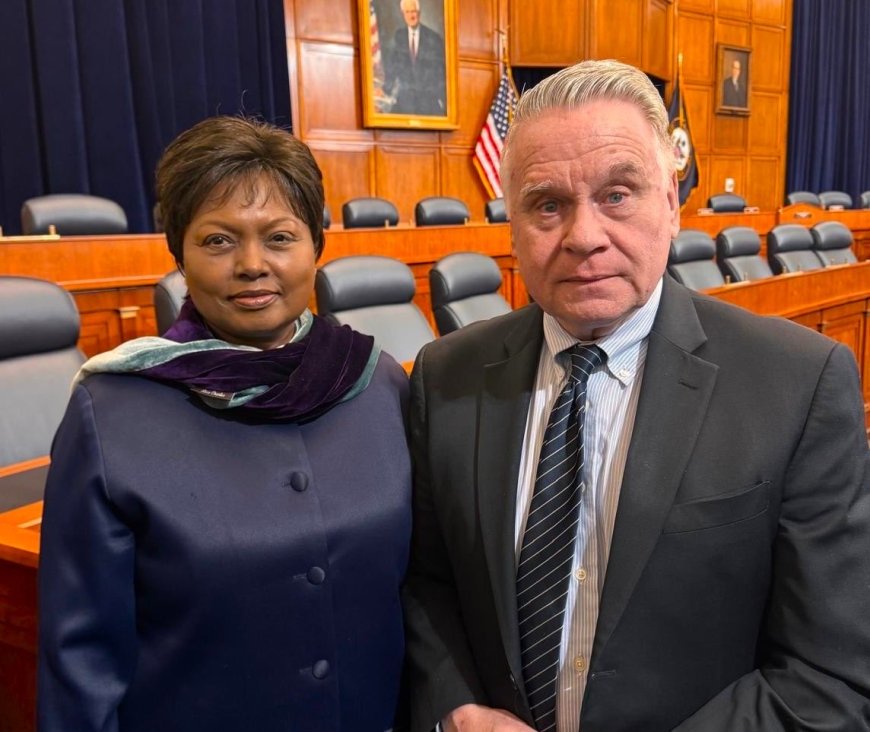
In a statement submitted to the U.S. House Subcommittee on Thursday, Rwanda’s Ambassador to the United States, Mathilde Mukantabana, said Rwanda’s position is “simple and non-negotiable,” stressing that decades of cross-border genocidal threats originating from eastern DRC have left Rwanda with no option but to prioritize security. She emphasized that Rwanda’s actions are aimed at protecting lives rather than influencing political outcomes in the DRC.
Mukantabana expressed gratitude to the United States, under President Donald Trump’s leadership, for facilitating the Washington Accords between Rwanda and the DRC, while also supporting Qatar-led mediation between Kinshasa and AFC/M23. She described the accords as a significant step toward lasting peace and stability in the Great Lakes region.
Despite this progress, the ambassador noted that violence escalated in eastern DRC in December 2025 following a military buildup by what she described as unaccountable actors, including mercenaries, government-supported militias, and one state operating outside the agreed peace frameworks. She said these actors sought to undermine the Washington Accords by triggering violence and shifting responsibility onto Rwanda.
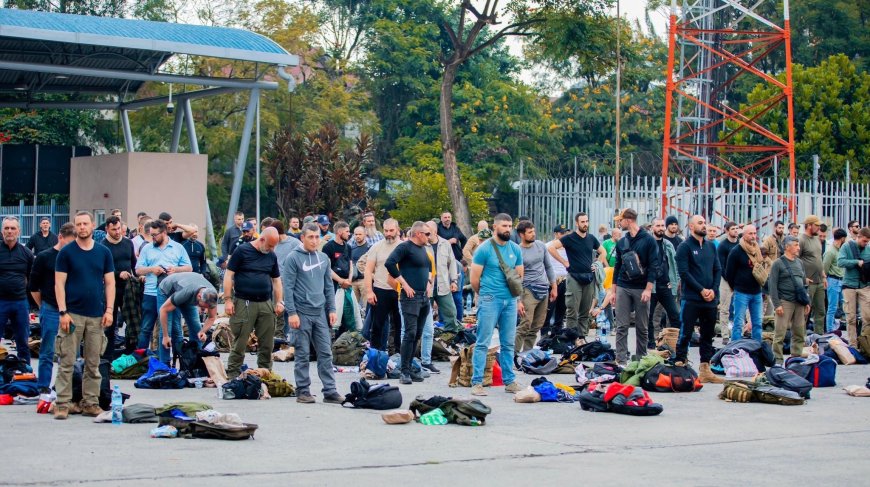
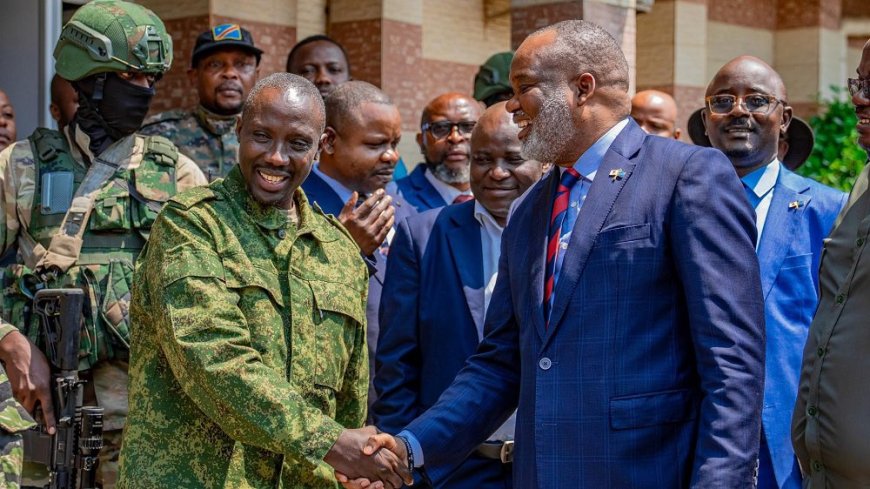
According to Mukantabana, Rwanda’s coordination with AFC/M23 must be understood within this security context. She described AFC/M23 as an independent Congolese group with long-standing grievances against the government in Kinshasa, including killings, rape, systematic discrimination against Congolese Tutsi communities, and repeated failures to implement past peace agreements. Rwanda and AFC/M23, she said, share a common interest in preventing attacks by the FDLR and other extremist militias that target Tutsi civilians in eastern DRC.
Beyond the immediate protection of civilians, the ambassador underscored Rwanda’s deeper concern: preventing the resurgence of a genocidal cross-border insurgency similar to the Abacengezi movement that followed the 1994 Genocide against the Tutsi.
She recalled that former Rwandan Armed Forces and Interahamwe militias regrouped in eastern DRC and launched sustained attacks against Rwanda between 1994 and 1999, killing thousands of civilians and threatening the country’s survival. Those forces later evolved into the FDLR, which she said has never been fully dismantled.
Mukantabana stated that FDLR remains active in eastern DRC and has committed documented atrocities against Congolese civilians, while continuing to operate alongside elements of the Congolese armed forces (FARDC). She argued that successive Congolese governments have failed to neutralize the group, instead at times incorporating it into military operations, thereby sustaining a three-decade-old security threat to Rwanda.
She made clear that Rwanda does not seek to shape political processes in the DRC and does not support armed movements as a substitute for inclusive governance. Rwanda’s security coordination with AFC/M23, she said, is time-bound, conditional, and threat-based, and will be scaled back in direct proportion to the neutralization and repatriation of FDLR fighters, as outlined in the Concept of Operations under the Washington Accords.
As evidence of de-escalation, Mukantabana pointed to the recent unilateral withdrawal of AFC/M23 forces from Uvira, undertaken with Rwanda’s encouragement, to demonstrate a commitment to reducing tensions on the ground.
Looking ahead, she said the Washington Accords offer a pathway not only to security but also to economic integration between Rwanda and the DRC, including expanded cross-border trade, shared infrastructure, and regional investment. she added that Rwanda will maintain defensive measures only until credible and independently verified security guarantees are established, reaffirming its readiness to work with the United States, the DRC, and regional partners to achieve durable peace.