 Kinyarwanda
 English













Malaria cases surge in Rwanda as rains boost mosquito growth
Rwanda recorded a sharp rise in malaria cases in the last quarter of 2025, with more than 442,000 cases reported between September and November, driven mainly by the rainy season that accelerated mosquito breeding, according to the Rwanda Biomedical Centre (RBC).
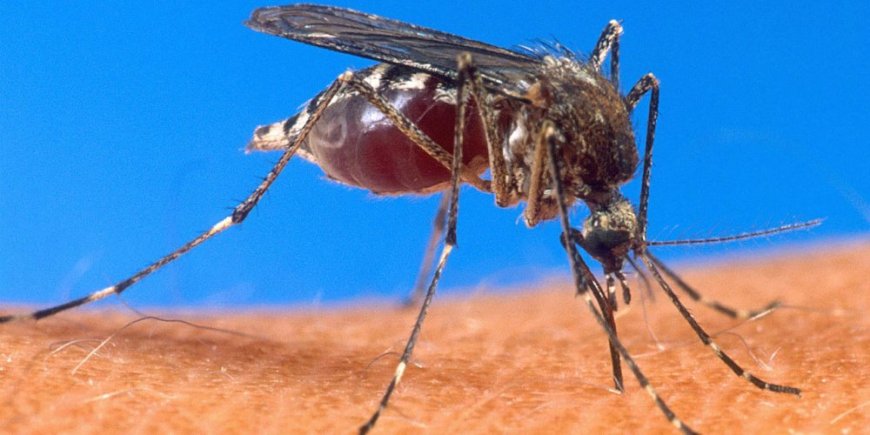
Data from RBC show that 442,678 people tested positive for malaria over the three-month period, underscoring a seasonal spike that health authorities say is expected but remains a major public health concern. The increase was recorded nationwide, with the highest transmission occurring during the rainy months, when stagnant water creates favorable conditions for mosquitoes to multiply.
According to the figures, 114,804 cases were reported in September 2025, rising to 165,854 in October, before slightly dropping to 162,020 in November. The New Times reports that the surge is closely linked to prolonged rains during this period.
The Director General of the Malaria and Other Parasitic Diseases Division at RBC, Dr Aimable Mbituyumuremyi, said malaria transmission typically peaks from September to January due to rainfall.
“From September to January, malaria transmission is usually high because of the rainy season,” he explained.
In response, RBC carried out indoor residual spraying campaigns between October and December 2025 in 28 high-risk sectors across the districts of Gisagara, Nyanza, Bugesera, Kirehe, Rwamagana and Nyagatare, reaching 1,031,676 residents.
Dr Mbituyumuremyi noted that the program will continue in 2026, with indoor spraying scheduled for February to March in other high-risk sectors in districts including Gasabo, Kicukiro, Nyarugenge, Nyaruguru, Nyamagabe, Muhanga, Gakenke, Musanze, Gicumbi, Rulindo, Nyamasheke, Karongi and Rusizi. This will be complemented by the distribution of mosquito nets between February and May in areas considered at lower risk.
Beyond vector control, Rwanda has also begun early discussions on introducing a malaria vaccine into the national immunization program, although no decision has yet been made regarding the type of vaccine to be adopted.
Meanwhile, since 2025, health facilities across the country have introduced new antimalarial medicines, including Dihydroartemisinin-Piperaquine (DHAP) and Artesunate-Pyronaridine (ASPY), to complement Coartem in treating malaria.
Despite progress in prevention and treatment, malaria-related deaths remain a concern. A report by the National Institute of Statistics of Rwanda (NISR) shows that 572 children died from malaria over the past five years, highlighting the continued threat the disease poses, especially to vulnerable populations.