 Kinyarwanda
 English















Rwanda expands Coffee farming with 2.75 million seedlings planted in 2026 season
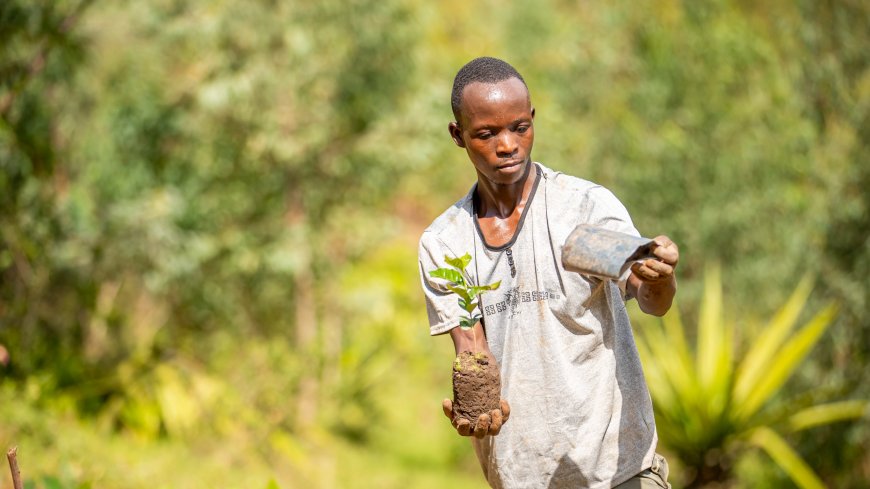
Rwanda, through the National Agricultural Export Development Board (NAEB), planted 2.75 million coffee seedlings on 1,102 hectares across six districts during the 2026 A Season under the PSAC Project. It is aiming to boost coffee production, strengthen exports, improve farmers’ livelihoods, and ensure sustainable growth of the coffee sector.
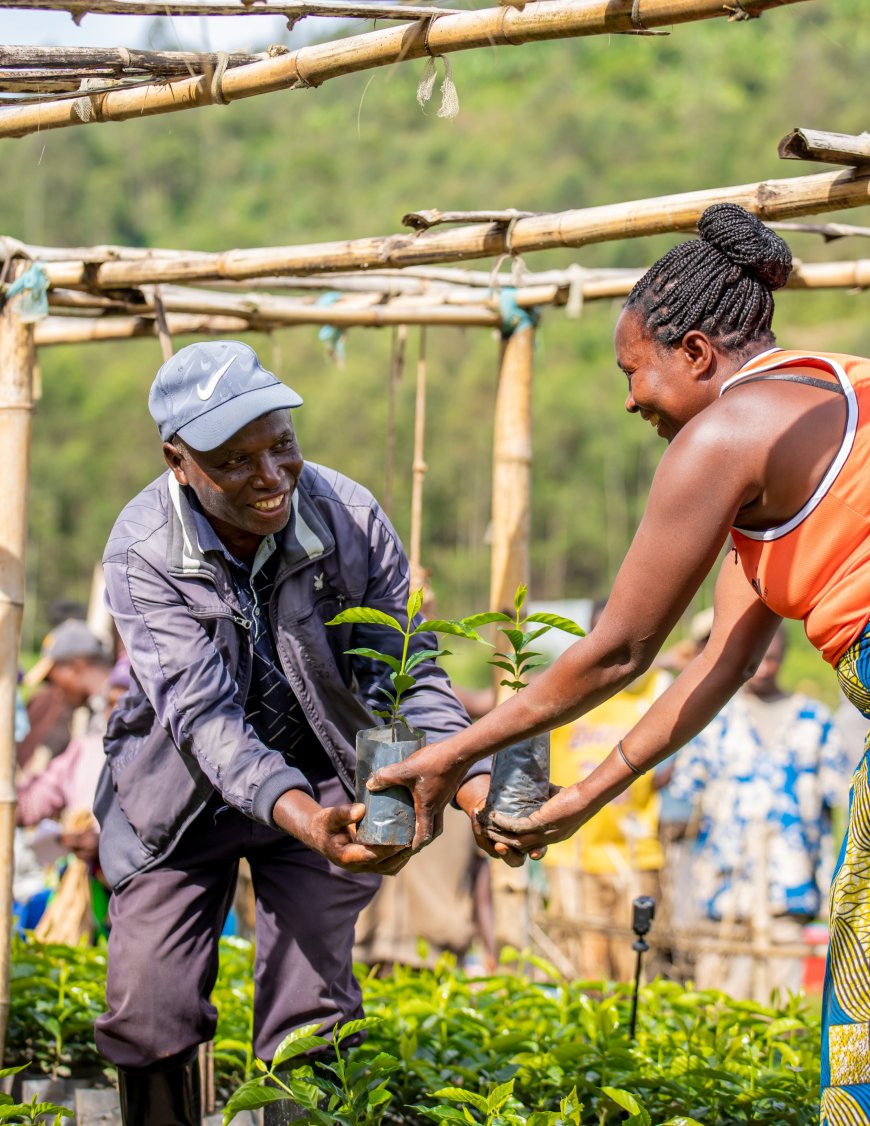
Rwanda’s coffee sector continues to grow with a future-oriented approach focused on quality, resilience, and inclusive growth to sustain long-term development.
Although coffee is grown by a relatively small share of farming households, data from the National Institute of Statistics of Rwanda (NISR) show that it remains one of the country’s most strategic cash crops due to its strong contribution to export earnings and agricultural growth.
To advance this vision, NAEB, through the PSAC Project, supported coffee farmers to plant 2.75 million improved coffee seedlings during the 2026 A Season. The planting covered 1,102 hectares in six districts, namely Nyamasheke, Rusizi, Karongi, Huye, Ruhango, and Nyamagabe. The initiative is designed to rejuvenate plantations, raise productivity, and improve coffee quality at farm level.
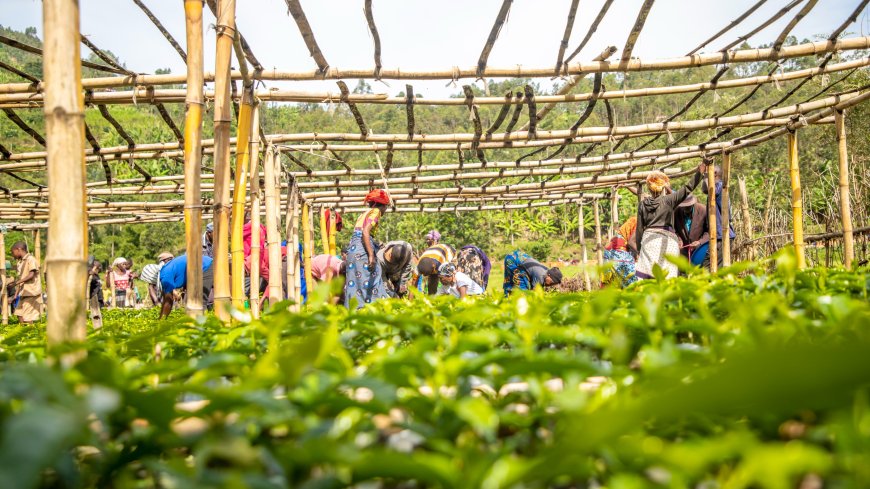
This intervention forms part of a wider national plan targeting the planting of 9 million coffee seedlings on 3,050 hectares by 2029. NAEB data indicate that Rwanda currently has an estimated 26 million coffee trees in production, with ongoing efforts focused on replacing aging trees and expanding productive areas.
Export figures further highlight the sector’s momentum. According to NAEB, Rwanda exported over 17,000 tonnes of green coffee in 2024, generating close to 90 million US dollars.
In 2025, export volumes increased sharply to nearly 24,000 tonnes, while revenues rose to a record level of almost 150 million US dollars, driven by higher volumes and improved international prices. NISR's data show that such performance by export crops, particularly coffee, contributes significantly to agricultural GDP and foreign exchange inflows.
Commenting on the program, Nsanzumuhire Edmond wrote on X that supporting farmers with improved coffee seedlings is key to sustainable growth, noting that the PSAC Project is transforming livelihoods while securing the future of Rwanda’s coffee sector.