 Kinyarwanda
 English













Africa’s $70bn infrastructure gap highlights urgent need for bankable projects
Africa’s $70 billion annual infrastructure gap is not due to a lack of capital, but a shortage of well-prepared, bankable projects, delegates at the PMI Global Summit Series Africa in Kigali warned. Without proper project design and management, millions of Africans remain without essential services.
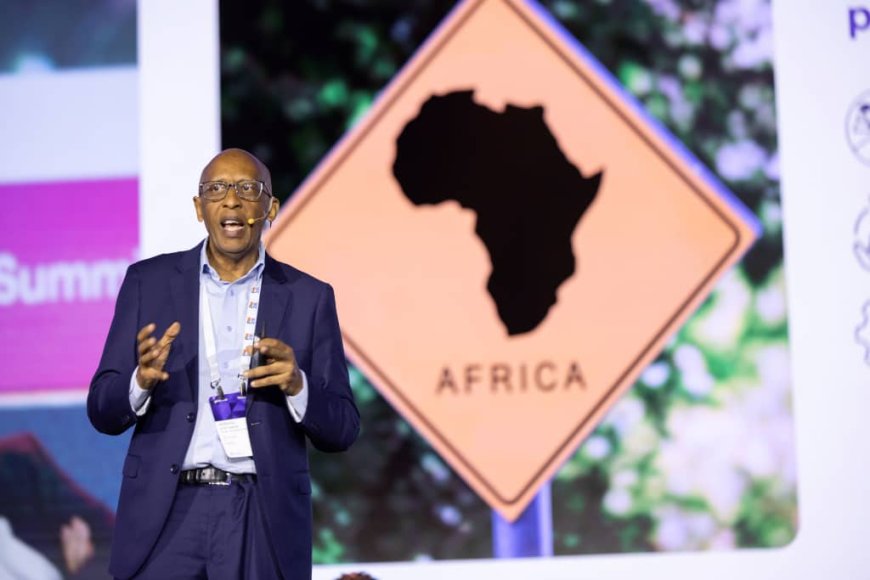
The shortage of bankable projects not funds — is the continent’s greatest barrier to transformation. At the Summit, which brought together African Development Bank (AfDB) leaders and nearly 1,000 delegates, experts emphasized that poorly prepared projects delay development, increase costs, and leave essential services out of reach for millions.
Dr. Akinwumi Adesina, outgoing AfDB President, highlighted Africa’s pivotal moment. “The world is becoming more African,” he said, noting that soon one in four people globally would be African. With 65% of uncultivated arable land, abundant critical minerals for the green transition, and 13 of the fastest-growing economies, Africa is poised to drive global prosperity.
Yet to realise this potential, he stressed, Africa must close its infrastructure gap, estimated at $70 billion annually, and ensure that projects deliver real impact. “Projects must not just exist on paper,” Adesina said. “They must change lives. As one Kenyan beneficiary told me, ‘We once were in darkness. Now we have light.’ That is the true measure of success.”
Adesina highlighted AfDB’s High 5 priorities, Light up and Power Africa, Feed Africa, Industrialise Africa, Integrate Africa, and Improve Quality of Life, which have already impacted over 565 million people.
From expanding electricity access to building transport corridors and digital infrastructure, he emphasised that projects are the vehicles of transformation.
“At Project Management Institute (PMI), we believe project success is not measured only by schedules and budgets, but by outcomes that change lives. Dr. Adesina captured this perfectly when he said projects must change lives,” said George Asamani, MD, PMI Sub-Saharan Africa.
“Africa’s future will be shaped not by the number of projects we launch, but by the impact those projects deliver," he added.
George Asamani, MD of PMI Sub-Saharan Africa, reinforced this: “Success is not measured by schedules and budgets alone, but by outcomes that transform communities. Africa’s future depends on the impact, not the number, of projects.”

George Asamani, Managing Director for PMI Sub-Saharan Africa
Armand Nzeyimana, AfDB Director of Development Impact and Results, explained that a bankable project must meet three criteria: technical feasibility, financial viability, and robust risk management. Without these, even ambitious initiatives fail to attract financing.
“Poorly prepared projects delay development. Five-year plans often stretch to eight years or more. Today, 600 million Africans still lack electricity,” he warned.
Kigali exemplified the Summit’s theme “Africa On Purpose”. Rwanda’s rapid transformation, from infrastructure expansion to becoming a hub for tourism, sport, and innovation, demonstrated what is achievable when vision meets disciplined execution.
The Summit concluded that project management is a strategic enabler of Africa’s transformation. Delegates agreed that Africa’s future will be defined not by resources alone, but by its ability to prepare, finance, and execute projects that deliver lasting impact.
From renewable energy to digital infrastructure, regional trade corridors, and urban renewal, today’s projects will shape Africa for decades.