 Kinyarwanda
 English













Private investors Urged Government to Facilitate Renewable Energy Investments
Some private investors and professionals in the renewable energy sector have urged the Government of Rwanda to facilitate permit issuance and expand support to enable them to contribute more effectively to national development through renewable energy.
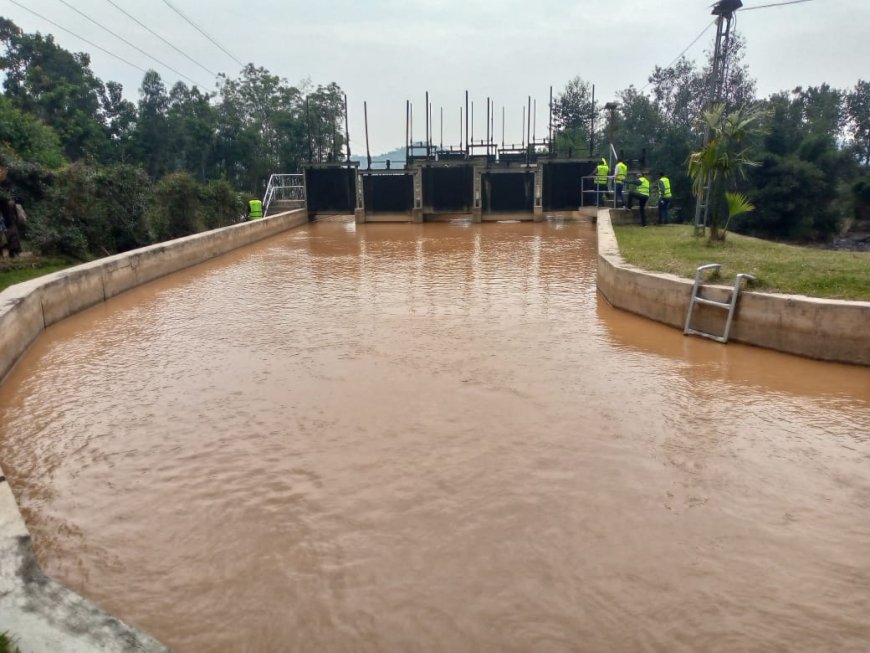
The call came during field visits to key renewable energy projects in Rubavu District, including the Keya Hydropower Plant, which generates electricity from the Sebeya River—a stubborn river known for causing floods in the area.
Energicotel, which manages the Dam, stated that three hydropower plants have been built along the Sebeya River, supplying electricity to the national grid. The Keya plant produces 2.2 megawatts, generating an annual output of 12 million kilowatt-hours.
Eng. Carine Mukashyaka, Electrical Engineer and CEO of Energicotel Plc, one of the company of EPC Africa Group, emphasized that renewable energy is essential for national development, but the private investors in this sector still face challenges, including climate variability.
"Climate variability affects our operations, which is why we have a so-called Energy Mix: generating power from different plants. When one plant is unavailable, solar energy can step in. This creates opportunities to operate within a diversified energy chain and maintain consistent production," she stated.

"As Rwandans, we continue to put in efforts to expand. We are currently exploring additional plants both within Rwanda and beyond. In Kenya, we have a plant under construction, and here in Rwanda, we are also progressing to continue building our country," she added.
Field Visits Enhance Knowledge
Solar energy practitioners visiting Keya Hydropower plant and Shema Power Lake Kivu said that seeing these plants firsthand helps them gain practical knowledge.
"As solar energy professionals, we see that other renewable sources like hydropower or methane gas can also be utilized to generate electricity," Munyemana Edouard explained.
Students in renewable energy added that observing operations at these plants helps them connect classroom knowledge with real-world practices. These visits concluded the “Energy Week,” themed: “Renewable Energy for Sustainable Development.”

Participants urged the government to strengthen the capacity of private investors in this sector through training, financial support, and facilitating partnerships with public institutions.
"The first thing the government should do is provide support to private individuals so they can gain the capacity to continue supplying energy."
They explained that this support should include training and streamlining permit issuance for investors seeking to partner with the government, as delays in approvals often hinder project implementation.
Eng. Mukashyaka emphasized that investors need opportunities to continue contributing to national development.
"The rivers are here, and so are we; the government should continue giving us opportunities to keep contributing to building the country."

Muhizi Wilson Serge, Chief Executive Officer of the Energy Private Developers (EPD), said private investors must collaborate, stay resilient, and remain positive.
"Private investors need to work together because when people unite, they can achieve much more. Secondly, they must remain positive in all their endeavors and never give up. Everything is possible when people work together. Opportunities exist, and that is what we aim for—to bring entrepreneurs together here in Rwanda so they can see how to collaborate effectively."
According to the Ministry of Infrastructure, Rwanda’s renewable energy capacity has grown significantly—from 110 MW in 2014 to 467 MW today. Access to electricity has increased from 10% in 2010 to 86%, with renewable energy now accounting for 56% of total electricity production.