 Kinyarwanda
 English















Urgent Call to Protect High-Risk Tropical Forests: Tripling Investment Needed to Save Key Ecosystems and Communities
High-risk tropical forests are at a critical crossroads, vital for the well-being of millions and the health of our planet. According to a recent report by the United Nations Environment Programme (UNEP), these forests, covering roughly 391 million hectares, are not only crucial for biodiversity and climate stabilization but also serve as essential infrastructure for water, food, jobs, and disaster resilience for over 53 million people worldwide.
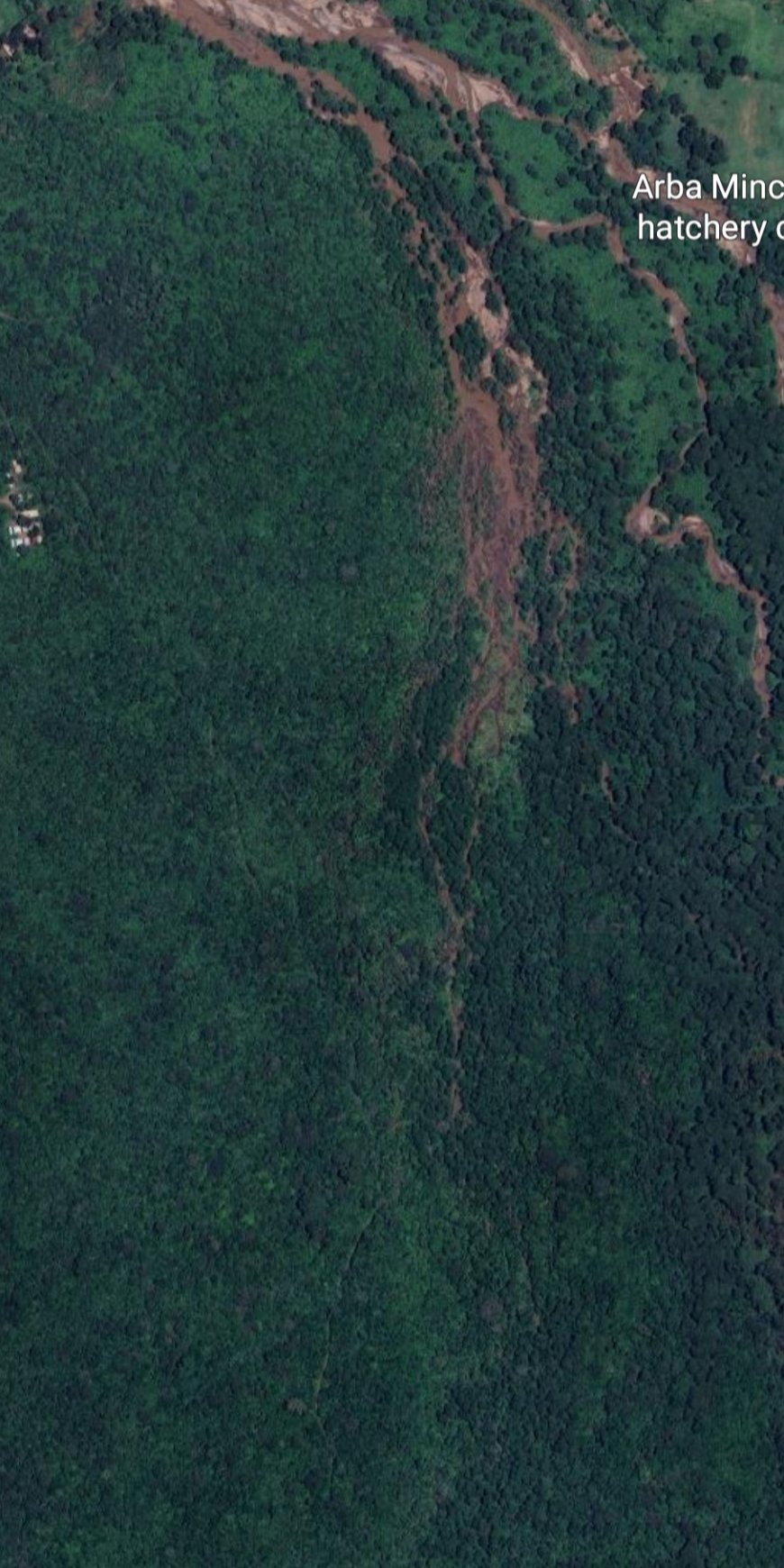
These forests perform functions that strengthen global stability. They regulate water by preventing millions of tonnes of pollutants from contaminating rivers and maintaining rainfall patterns necessary for agriculture and drinking water.
Furthermore, they support food security by sustaining crop pollinators that nourish populations, providing livelihoods through forest products to millions of low-income communities, and acting as natural buffers against extreme weather events, saving approximately US$81 billion annually in disaster-related damages.
Despite their undeniable importance, high-risk tropical forests face unprecedented threats driven by unsustainable development and harmful subsidies.
The UNEP reports highlight a noticeable investment gap: current annual funding for global forests stands at US$84 billion, far below the US$300 billion needed by 2030 and nearly US$500 billion by 2050 to achieve sustainable management. This shortfall of US$216 billion annually risks accelerating deforestation, which already destroys over 2 million hectares of forest every yea, an area more than 30 times the size of Nairobi.

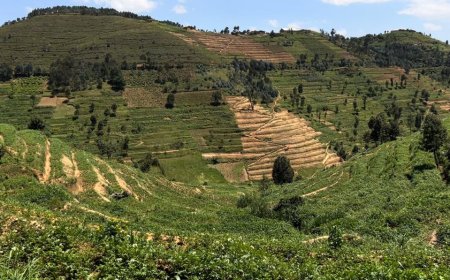
Kakamega tropical forest-Kenya
Harmful government benefits, particularly in agriculture, contribute significantly to forest loss, exceeding US$400 billion annually. Meanwhile, many corporations that have committed to eliminate deforestation by 2030 have yet to translate these promises into meaningful investments in sustainable supply chains.
Reversing this trend requires a reorientation of financial flows, emphasizing forest protection over restoration, which, according to the report, requires just US$32 billion annually to safeguard the most vulnerable ecosystems.
UNEP advocates for a strategic shift: directing more funds toward safeguarding high-risk forests, balancing economic development with conservation, and ensuring local communities benefit from preservation efforts. Protecting forests, a more cost-effective approach than extensive restoration, can deliver outsized benefits, such as maintaining water quality, supporting food security, providing livelihoods, and mitigating disaster risks, while helping achieve global climate and biodiversity goals.
These urgent recommendations underscore the importance of integrating forest conservation into national climate strategies, policy reforms to realign benefits, and stronger partnerships among governments, businesses, private sectors and financial institutions.
Only through scaled-up investments and proactive policies can we secure the future of these vital ecosystems, and the well-being of countless communities who depend on them.