 Kinyarwanda
 English













The sixth mass extinction: How human activity is driving a global decline in nature
Scientists and international environmental bodies warn that the world is undergoing a rapid decline in biodiversity, increasingly described as the sixth mass extinction. Unlike previous extinction events caused by natural forces, this one is largely driven by human activity. Global assessments estimate that Earth is home to about eight million species of plants and animals, with nearly one million now threatened with extinction if current trends continue.
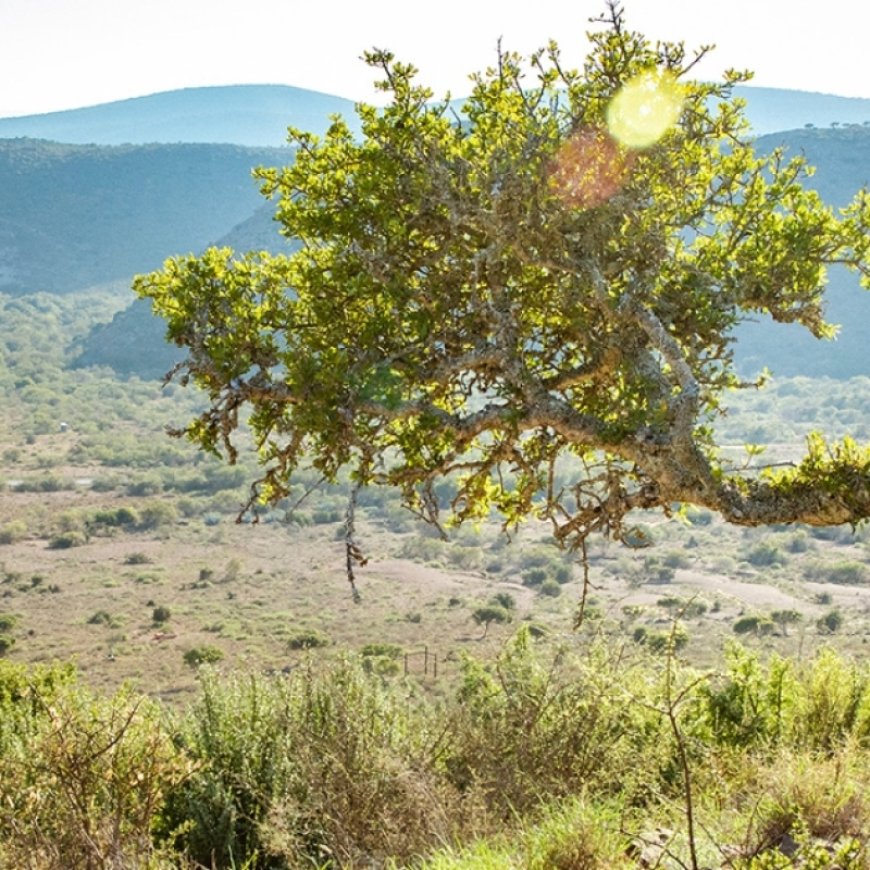
This biodiversity loss is unfolding across all regions of the world, especially in southern Asia, Sub-Saharan Africa, Islands state, in tropical forests such as Amazon, Congo base.... Terrestrial, freshwater and marine ecosystems are being altered at unprecedented scales.
According to international reports, about 75 percent of the Earth’s land surface has been significantly modified by human activity, while roughly 85 percent of wetlands have been lost. Oceans have not been spared, with around 66 percent of marine areas affected by fishing, pollution and other human pressures.
Agriculture has emerged as the leading driver of nature loss. Global food systems are identified as a threat to about 24,000 of the 28,000 species currently at risk of extinction. The expansion of farmland and the intensification of food production are projected to account for 70 percent of future terrestrial biodiversity loss, as natural habitats continue to be converted for crops and livestock.
Nature Loss Is a Human Crisis
The impacts of biodiversity loss extend beyond the environment and increasingly affect human wellbeing. An estimated 3.2 billion people are already experiencing the consequences of land degradation, including reduced agricultural productivity and increased vulnerability to climate shocks. Pollinator decline alone puts up to 577 billion dollars in annual global crop production at risk, raising concerns about food security and livelihoods.
Nature loss is also closely linked to climate change. About 25 percent of global greenhouse gas emissions are generated by land clearing, crop production and fertilization. As ecosystems are degraded, their capacity to store carbon and regulate climate is weakened, further accelerating global warming.
The degradation of natural habitats is also increasing health risks. As human development expands into wildlife areas, contact between people and animals becomes more frequent. Scientists estimate that around 60 percent of human infectious diseases originate from animals, a risk that is heightened by the destruction of natural ecosystems.
Coastal ecosystems are another area of concern. The loss of mangroves, wetlands and coral reefs has reduced natural protection against storms and rising sea levels. As a result, between 100 and 300 million people are considered to be at increased risk of floods and hurricanes, particularly in low-lying coastal regions.
Biodiversity decline is also threatening global development efforts. Current trajectories suggest that continued nature loss could undermine progress toward 35 out of 44 Sustainable Development Goal targets related to poverty reduction, hunger, health, water, climate action, and life on land and below water.
In response to the growing crisis, governments adopted the Kunming–Montreal Global Biodiversity Framework at the United Nations Biodiversity Conference (COP15) in Montreal in December 2022. The framework sets out a plan to halt and reverse nature loss by 2030, focusing on conservation, ecosystem restoration and sustainable use of natural resources.
Experts caution, however, that implementation will be critical. Achieving the framework’s goals will require transforming food systems, protecting and restoring degraded ecosystems, reforming environmentally harmful subsidies and significantly increasing investment in nature-based solutions.
The coming years are widely seen as decisive. While biodiversity loss continues at a rapid pace, there remains a narrow window for action. Decisions taken by governments, businesses and communities before the end of the decade will play a major role in determining whether global nature decline can be slowed and reversed.