 Kinyarwanda
 English













AU Sounds Alarm as Uvira Falls, Kigali Pushes Back Against Renewed Pressure
The African Union has issued an urgent call for restraint as AFC/M23 fighters capture the strategic city of Uvira and new tensions emerge in Burundi’s Cibitoke Province. The appeal comes at a moment when political pressure on Rwanda is rising, even as President Paul Kagame argues that misinformation, ongoing clashes that pre-dated the Washington D.C. Agreement, and distorted narratives are being used to wrongly fault Kigali for the crisis in eastern DRC.
The security situation in eastern Democratic Republic of Congo has sharply deteriorated following the capture of Uvira by AFC/M23 forces two days ago. The advance came after days of fighting involving the Congolese army (FARDC), Burundian troops, Wazalendo militias, FDLR combatants and foreign mercenaries. As the coalition lines collapsed, many of these fighters fled into Burundi, some carrying their weapons, where they regrouped close to the border opposite Uvira.
In the statement, The African Union Chairperson, H.E. Mahmoud Ali Youssouf, said he was following with “deep concern” developments in South Kivu and unspecified events in Burundi’s Cibitoke Province. Although the AU did not provide details on what happened inside Burundi, the statement expressed solidarity with civilians in both countries affected by the escalating situation.
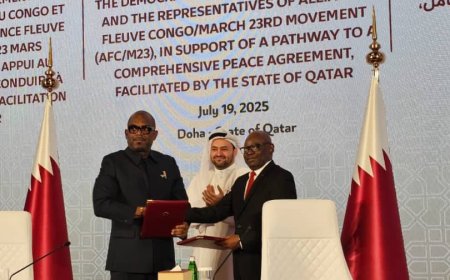
The AU said the renewed violence threatens to undermine the fragile progress made under the Doha Framework Agreement between the DRC and AFC/M23 as well as the Washington D.C. Agreement between the DRC and Rwanda. Youssouf stressed that continued clashes and attacks on civilians run against commitments made by the signatories.
Reaffirming the AU’s long-standing stance, he said lasting peace in the Great Lakes region depends on respecting the sovereignty and territorial integrity of all states. The AU also reiterated its condemnation of any attempt to create a parallel administration in eastern DRC, an issue raised repeatedly as M23 consolidates control in captured territories.
Youssouf called on all regional states to uphold the Addis Ababa Framework Agreement and comply with the ICGLR Pact on Non-Aggression and Mutual Defence. He reaffirmed the AU’s readiness to work with regional and international partners to revive a security dialogue aimed at ending instability in the region.
As Uvira fell, accusations resurfaced alleging Rwandan support for AFC/M23, claims Kigali has consistently rejected. Rwanda maintains that the real destabilising force in the region remains the FDLR, a group it classifies as a terrorist organisation that collaborates with FARDC and Burundian troops.
The FDLR includes individuals who participated in the 1994 Genocide against the Tutsi and others who continue to promote genocidal ideology, making the group a direct and persistent threat to Rwanda’s security.
Kagame rejects external pressure and allegations
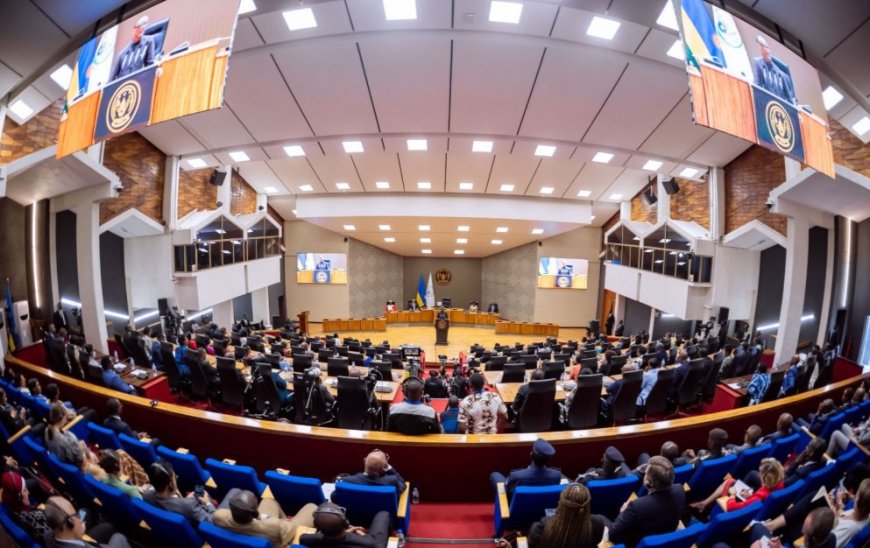
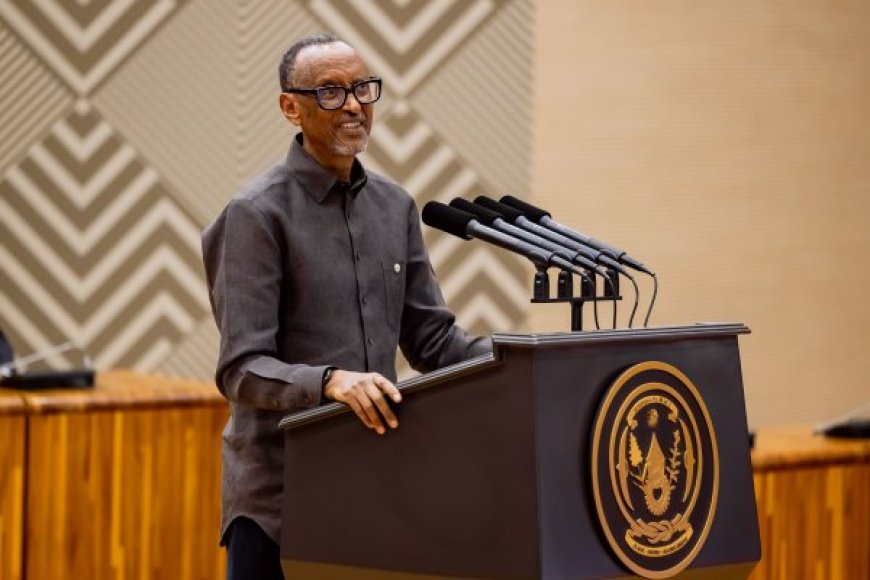
Speaking on Thursday during a ceremony to swear in new senior officials, including two state ministers and a senator, President Paul Kagame addressed what he described as a growing campaign of pressure and misinformation targeting Rwanda since the signing of the Washington D.C. Agreement on December 4.
President Kagame said Rwanda entered the agreement willingly and remains committed to its obligations, but insisted that the conflict in eastern DRC did not begin because of the accord.
“We went to Washington at a time when clashes had already been ongoing for days and even weeks,” he said.
“Some reports suggest fighting began after the agreement was signed, but that is simply not true", he added.
He said peace agreements do not give every party all they want, but rather provide essential compromises that each side must honour. Kagame added that Rwanda has taken defensive measures to ensure no armed groups cross into its territory as tensions escalate.
Kagame criticised actors who, he said, use the Washington Agreement as a tool to unfairly intensify pressure on Rwanda. He recounted conversations in Washington with individuals who claimed Rwanda was “too strong” to worry about insecurity in eastern DRC.
“Strength does not mean sitting back and allowing enemies to attack,” he said, emphasising the country’s duty to defend itself.
He added that allegations directed at Rwanda are driven by “malice and falsehoods,” warning that narratives detached from facts were undermining efforts to secure lasting peace.
A Region at a Critical Turning Point
With Uvira now in the hands of M23/AFC, armed factions regrouping along the Burundi–DRC frontier and accusations deepening political divides, the AU’s call for restraint reflects growing concern that the region is entering a dangerous new phase.
Whether diplomacy can catch up with the dynamics unfolding on the battlefield remains uncertain, but the AU insists that only a political path can prevent further destabilisation.