 Kinyarwanda
 English













Rwanda’s $12B Climate Plan Aims for 53% Emission Cut by 2035
Rwanda has announced its $12 billion Climate action Plan (2025–2035), reinforcing its commitments under the Paris Agreement. The plan aims to cut net greenhouse gas emissions by 53% by 2035 and advance toward a carbon-neutral, climate-resilient economy consistent with Vision 2050.
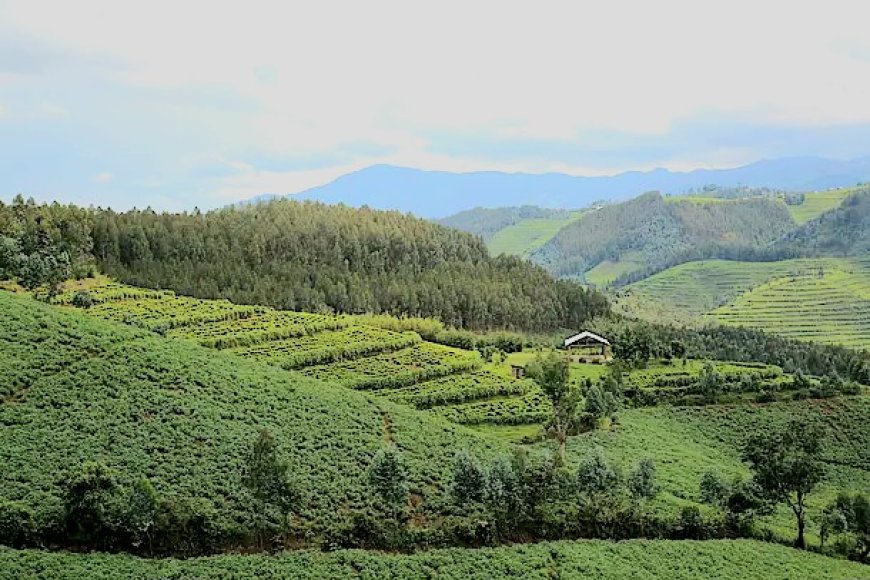
Unlike previous versions, NDC 3.0 extends the timeline to 2035, providing a longer horizon for achieving sustainability goals. It also expands the range by incorporating Land Use, Land Use Change, and Forestry (LULUCF) emissions and removals, making it Rwanda’s first economy-wide climate plan. This strengthen transparency and lays the groundwork to balance economic growth with environmental stewardship.
Rwanda plans a two-part approach with a 7% unconditional emissions reduction financed domestically and a 46% conditional reduction dependent on international support, reflecting both national initiative and global partnership. Key sectors targeted for emission cuts include energy, agriculture, and forestry, the backbone of Rwanda’s economy and livelihood, while also setting new priorities for adaptation, loss, and damage.
"Rwanda's new Climate Action Plan reflects our determination to act decisively on climate change for people, our economy, and our planet. With this NDC 3.0, we are building our adaptive capacity to deal with climate shocks, raising our ambition to reduce emissions and strengthening resilience for continued economic development, Dr. Bernadette Arakwiye Minister of Environment stated.
To fully implement the plan, Rwanda needs approximately $12 billion by 2035. Around 60% of this budget is earmarked for adaptation measures to build resilience against climate shocks, and 40% is devoted to emission mitigation. The investment reflects a holistic approach addressing both the causes and impacts of climate change.
The Ministry of Environment's statement revealed that the plan aims to reduce emissions by 14.86 million tonnes of CO₂ equivalent while enhancing the country’s adaptive capacity.
The development of NDC 3.0 involved broad national consultation with government agencies, private sector representatives, civil society, academia, youth, and development partners, ensuring it aligns with Rwanda’s development goals and community realities.
"Rwanda's NDC 3.0 is the result of an inclusive and evidence-based process that brought together policy makers, experts, civil society, the private sector, youth and development partners. It builds on the foundation of NDC 2.0 and sets a clear path to 2035, with measurable targets and strengthened systems for tracking progress. Implementation will be key and it will require strong partnerships and continued commitment," highlighted by Juliet Kabera; Director General of Rwanda Environment Management Authority (REMA)
Globally, Rwanda’s enhanced climate targets position the nation as a leader among low-income countries striving to meet the Paris Agreement’s goals. Its scalable and localized ambition demonstrates how developing nations can contribute meaningfully to global climate frameworks.
Implementation success of this new climate action will depend on mobilizing both international finance and domestic resources, coordinated by a newly established Country Platform for Climate and Development, which aims to streamline investment, partnerships, and accountability.
As countries worldwide update their climate commitments, Rwanda’s comprehensive, forward-looking plan sets a balanced example, blending ambitious emission reductions with strong adaptation to ensure climate action supports sustainable development and poverty reduction.
Nonetheless, NDC 3.0 update is an important reminder that tackling climate change requires cooperation across borders and sectors—combining national strengths with global solidarity to safeguard our planet’s future.