 Kinyarwanda
 English














Global HIV/SIDA response nears breaking point as funding declines and services decline
The global fight against HIV/AIDS is experiencing its most severe setback in decades, a new UNAIDS report warns, with shrinking funding, disrupted services, and rising infections threatening to derail the world’s pledge to end AIDS by 2030, just five years before the deadline.
The global struggle against HIV/AIDS has entered a dangerously fragile phase. According to the latest UNAIDS report, the world is facing a troubling paradox: scientific breakthroughs are accelerating, yet the systems needed to deliver treatment and prevention are deteriorating rapidly. This crisis comes at a critical moment, as nations race against time to meet the 2030 target of ending AIDS as a public health threat.
UNAIDS Executive Director Winnie Byanyima describes the situation as “the most significant reversal in the global HIV response in decades.” The report reveals that 13 countries have recorded a decline in the number of people newly placed on antiretroviral therapy (ART), signalling weakening national health systems. Ethiopia and the Democratic Republic of Congo are suffering stockouts of HIV testing kits and ART drugs, disrupting essential services. In Nigeria, condom distribution has plunged by 55%, undermining prevention efforts.
Community-led organizations, historically the backbone of HIV responses, are collapsing under severe financial pressure. Over 60% of women-led organizations have suspended critical programs, leaving millions with reduced access to testing, sexual health education, and prevention tools.
Globally, 40.8 million people are living with HIV, while 1.3 million were newly infected last year. A staggering 9.2 million still lacks access to ART. The situation has been worsened by a major funding setback: the Global Fund secured only $11 billion for the next three years, far below the $18 billion required to sustain global programs. This amount is even lower than the 2022 replenishment and threatens the continuity of essential HIV, TB, and malaria interventions.
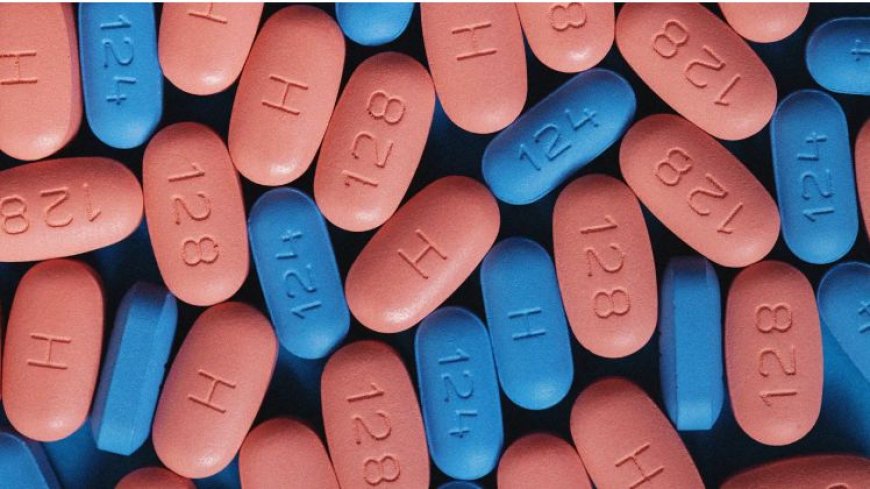
Amid these setbacks, scientific progress continues. Long-acting antiretroviral treatments, administered once every two months, are improving adherence and patient experience. Yazdan Yazdanpanah, Director of ANRS-MIE, notes that 43% of people living with HIV prefer long-acting treatments over daily tablets. Prevention tools are also advancing: the WHO recently recommended lenacapavir, a twice-yearly injectable PrEP. Thanks to new global agreements, the cost could drop to around $40 per year in low-income countries, a dramatic decrease from the previous U.S. price of $30,000 annually.
However, these breakthroughs risk remaining inaccessible. Global health aid declined by 22% in 2025, largely due to reductions in U.S. funding. Yazdanpanah warns that relying on a single donor exposes deep structural weaknesses in the HIV response ecosystem.
Sub-Saharan Africa, where Rwanda located, home to 60% of people living with HIV, is the worst affected. Testing is declining, community centers are closing, and prevention programs are shrinking, setbacks made worse by the lingering effects of COVID-19 on health systems.
UNAIDS warns that unless urgent, renewed international and domestic investments are made, the world will miss the 2030 target, and may instead see a resurgence of the epidemic.