 Kinyarwanda
 English













Clean Cooking Revolution: 50,000 Rwandan Households to Access Affordable LPG Kits
A cutting edge clean cooking initiative between Rwanda and Saudi Arabia aims to deliver 50,000 affordable Liquefied Petroleum Gas (LPG) cooking kits to low-income households in Kigali, Musanze, Muhanga, Rwamagana, and Huye over the 18 months. This project, implemented by Rwanda based Bboxx and supported by Saudi Arabia’s Forward7 initiative, targets reducing the severe health and environmental risks caused by traditional biomass fuels like wood and charcoal, which dominate Rwanda’s energy landscape.
Despite biomass accounting for the majority of Rwanda’s energy consumption, this initiative focuses on shifting households to modern, cleaner cooking technologies that dramatically cut indoor air pollution and related respiratory diseases.
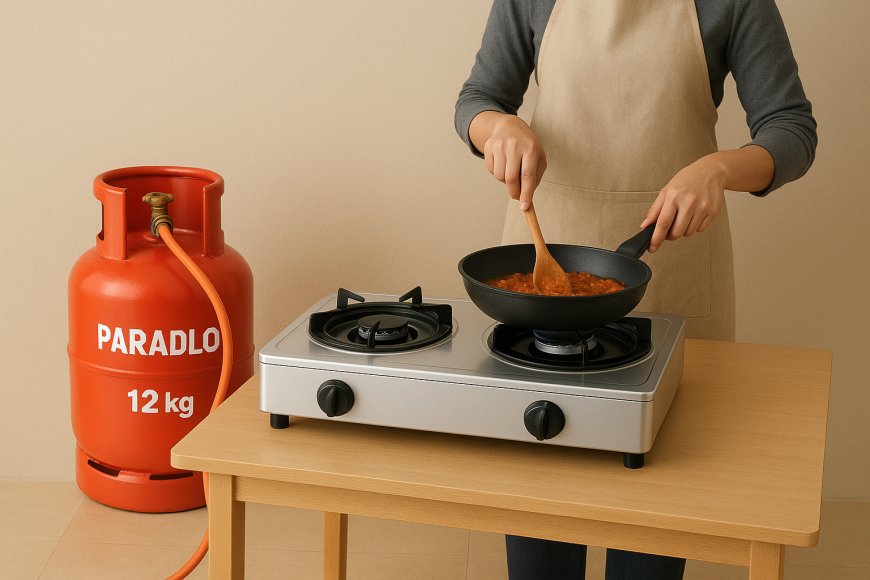
Each LPG kit includes a two-burner stove, a 12 kg gas cylinder, and a smart pay-as-you-go valve designed to make clean cooking affordable and accessible to families who have not benefited from prior subsidies.
Since its launch in February 2025, the project has already reached over 6,000 households, with plans to expand nationwide within a year.
Beyond improving health, the initiative supports economic development in vulnerable communities by creating new jobs and boosting energy efficiency. It also generates carbon credits, which will be reinvested to scale up future clean cooking programs and reinforce Rwanda’s ambition towards a carbon-neutral and climate-resilient future.
While Rwanda’s national clean cooking efforts are advancing through complementary schemes such as the Clean Cooking Results-Based Financing (CC-RBF) program backed by the government and World Bank partners, challenges remain in fully transitioning from biomass fuels, which remain widely used.
The partnership with Saudi Arabia underlines international synergies supporting Rwanda’s energy transition but the country continues striving to meet ambitious targets, reducing firewood use from nearly 80% of households in 2017 to 22% by 2029 and expanding clean cooking access to millions more.
This initiative shows Rwanda’s commitment to sustainable development: combining improved health outcomes, climate action, and economic opportunity through modern energy solutions, while emphasizing the ongoing collective efforts needed to overcome long-standing reliance on polluting cooking fuels.