 Kinyarwanda
 English















Rwanda seeks measures to reduce the cost of remittances
Considering the amount of remittances in the country has exceeded the foreign direct investment (FDIs) over the last three years; the government is looking for ways to deal with the high level of cost of the transfers.
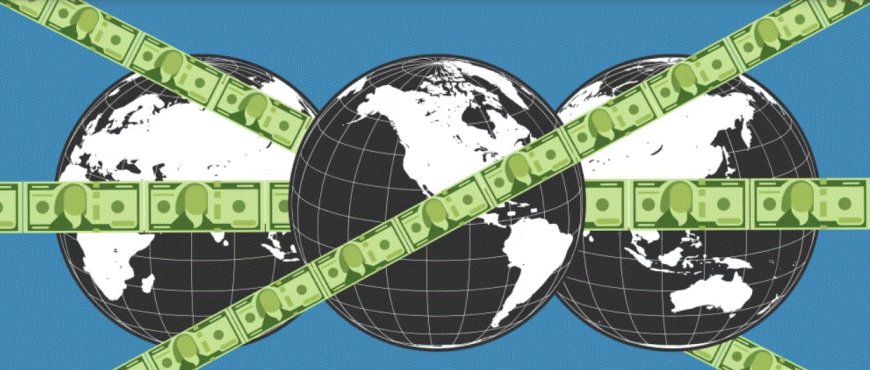
A remittance is a non-commercial transfer of money by a foreign worker or a member of a Diaspora community for household income in their home country.
Remittance is the transfer of money by a foreign worker or member of the Diaspora community to transfer to their home country.
According to official data, in 2022, the flow rose to $470 million representing 3.5 percent of GDP. The data is collected from commercial banks, money transfer agents like Western Union, WorldRemit, MoneyGram, and other informal transfers.
Remittances have played an important role in reversing deflationary pressures on the Rwandan Franc, along with tourism receipts, and greatly helped to enhance savings in the economy, according to officials.
Despite the increasing trend, many people explained that the cost of sending money internationally is still high. Reducing spending on the SDG target of three percent would mean freeing up millions of dollars of additional development resources.
Herbert Asiimwe, the head of financial sector development in the Ministry of Finance, noted the cost of sending money is difficult in many countries and the issue for these service providers in Rwanda is that they are working in other clearing systems from other banks which result in increase of the fee.
This is also coupled with money exchange rate losses and the taxes included, he added that the finance ministry is ready for the possibility of tax burden on this service.
“We are going to work with the private sector to innovate around this opportunity...meanwhile we are going to engage with existing service providers and negotiate how we can bring these costs down,” Mr. Asiimwe said while giving examples of technological innovations in other African countries such as Zimbabwe and Ethiopia that increase the country's remittances.
Madam Soraya Hakuziyaremye, Deputy Governor of the Central Bank of Rwanda, highlighted that while the global target of remittance is 3 percent, it is true that African countries have it highly, between 4 and 6 percent.
However, she pointed out that Rwanda has also made efforts to facilitate the establishment of fintech, especially in the payment service system, and now hosts three companies on the continent including Chipper Cash, Flutterwave, and Nala Money that facilitate international money transfers, remittances fee have been gradually declining.
“It has had an impact on the volume of remittances flow in the country and the cost because of the competition they bring,” she added.
For the 22nd Edition, the Rwanda Economic Update by the World Bank focuses on "Encouraging savings in the country to develop the private sector in Rwanda", and recommends the use of a payment system in East Africa and engaging the Rwandan Diaspora in capital markets.
The East Africa Payment System enables cross-border remittances in East Africa and offers lower fees than traditional methods.
“Policymakers should prioritize reducing remittance fees to unlock additional funds for development and consider engaging the Rwandan Diaspora in domestic capital markets through Diaspora bonds and other initiatives,” the report explains.
Encouraging participation in these markets, as well as those who are without bank accounts, which it said can further support Rwanda's financial sector and broader development goals.
It has been found that the recipients of money in Rwanda show that they are more interested in human capital investment and entrepreneurial behavior than the general population, whereby they allocate more to education and health expenses.
The International Monetary Fund [IMF] plans remittances to Rwanda to increase further over the next few years, reaching $582 million by 2028.