 Kinyarwanda
 English














Pneumonia Still Kills 740,000 Children Annually, WHO Warns
Pediatric pneumonia remains the leading infectious killer of children under five, claiming 740,180 lives in 2019, 4% of all under-five deaths, despite being preventable and treatable, according to global health data. The disease, caused by viruses, bacteria, or fungi, disproportionately affects children in southern Asia and sub-Saharan Africa, highlighting urgent gaps in immunization, nutrition, and access to antibiotics.
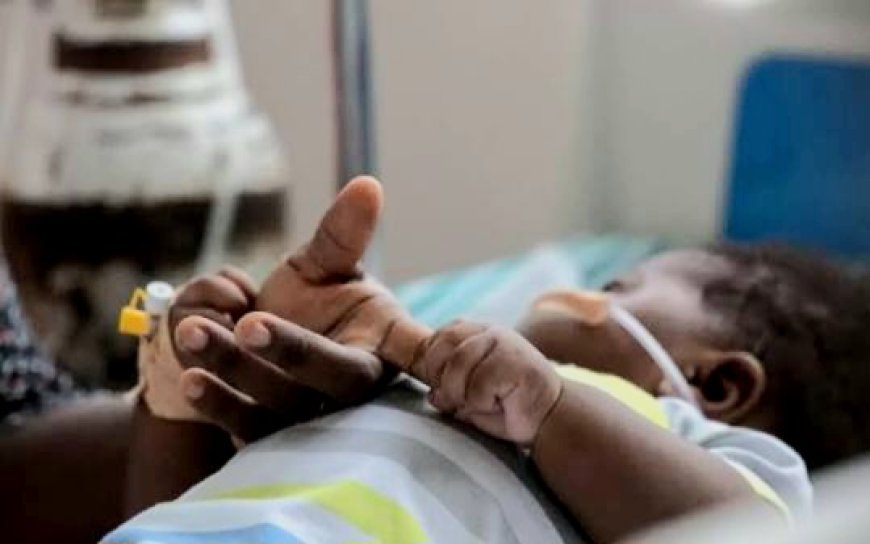
Pneumonia is an acute respiratory infection that inflames the lungs’ alveoli, filling them with pus and fluid, which makes breathing difficult and limits oxygen intake. Children under five are particularly vulnerable, with bacterial pneumonia treatable by antibiotics such as amoxicillin, yet only one-third of affected children receive the necessary treatment.
Common causes include Streptococcus pneumoniae, Haemophilus influenzae type b (Hib), and respiratory syncytial virus. Infants with HIV face additional risks from Pneumocystis jiroveci, contributing to a quarter of pneumonia deaths in this group. Transmission occurs through inhaled pathogens, respiratory droplets, or, in some cases, blood exposure around birth.
Children with weakened immune systems, due to malnutrition, HIV, or measles, or overcrowded living conditions, polluted homes, are at higher risk. Indoor air pollution from biomass fuels and parental smoking further increases susceptibility.
Prevention strategies are straightforward but underutilized. Vaccination against Hib, pneumococcus, measles, and pertussis, combined with exclusive breastfeeding for six months and improved hygiene, significantly reduces the risk. For HIV-infected children, daily cotrimoxazole prophylaxis provides additional protection.
The World Health Organization (WHO) and UNICEF’s Global Action Plan for Pneumonia and Diarrhoea (GAPPD) promotes a three pronged approach: protect, prevent, and treat. This includes expanding community-based care, improving access to antibiotics and oxygen, and addressing environmental risks.
Countries such as Bangladesh, India, Kenya, Uganda, and Zambia have implemented national plans to combat pneumonia, integrating interventions into broader child health strategies.
However, ending preventable pneumonia deaths is critical to achieving Sustainable Development Goal 3.2.1, which targets reductions in child mortality. Experts emphasize that with coordinated immunization, nutrition, and treatment programs, the majority of these deaths are avoidable.