 Kinyarwanda
 English















Africa Gears Up for Landmark Summit on Clean Energy Transition
African leaders, policymakers, and civil society actors will gather in Ethiopia this September for Africa Climate Week and the Second Africa Climate Summit to set the continent’s climate agenda. African governments are expected to play a pivotal role in advancing a low-carbon, clean energy future, steering the transition away from fossil fuels while ensuring energy security and sustainable development across Africa.
The United Nations Conference on Climate Change (UNFCCC), in collaboration with the Ethiopian government and the African Union, will host Africa Climate Week from 1st–6th September, followed by the Second Africa Climate Summit from 8th–10th September. The summit will bring together African Heads of State, policymakers, civil society representatives, and media to define Africa’s priorities ahead of the United Nations Climate Ambition Summit on 9th September and the COP30 climate negotiations in Belem, Brazil, from 10th–21st November.
African governments are expected to provide leadership in creating an environment that attracts domestic and international investment for a clean energy future. The summit aims to reinforce Africa’s commitment to a just transition, promoting energy security, sustainable development, and community resilience while reducing reliance on fossil fuels.
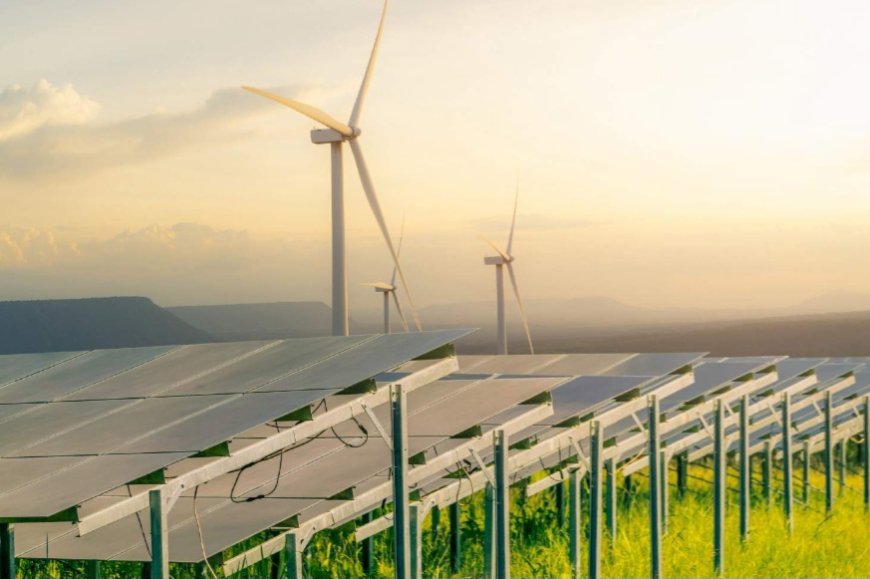
The continent stands at a critical crossroads: it is increasingly recognized as central to the global energy transition, yet remains highly vulnerable to climate impacts. Dubbed the ‘Sun Continent,’ Africa has the potential to lead globally in cost-efficient, inclusive, and sustainable energy production.
Experts stress the urgency for governments to harness natural resources and local innovation to build a cleaner, safer, and more prosperous future that protects African communities, livelihoods, and biodiversity.
Ahead of the summit, a virtual media briefing will feature African experts and activists discussing energy policies, the social and environmental consequences of fossil fuel expansion, agriculture, energy access, and the transformation of the global financial system to better support Africa’s climate solutions.