 Kinyarwanda
 English















2.6 billion at risk: Global housing and climate crisis demand urgent action
With 2.6 billion people lacking adequate housing and the world needing to construct 96,000 homes every day by 2030, global ministers from over 60 countries have called for urgent action to confront the escalating housing crisis and the climate impacts of buildings, a sector responsible for one-third of global energy use and emissions.
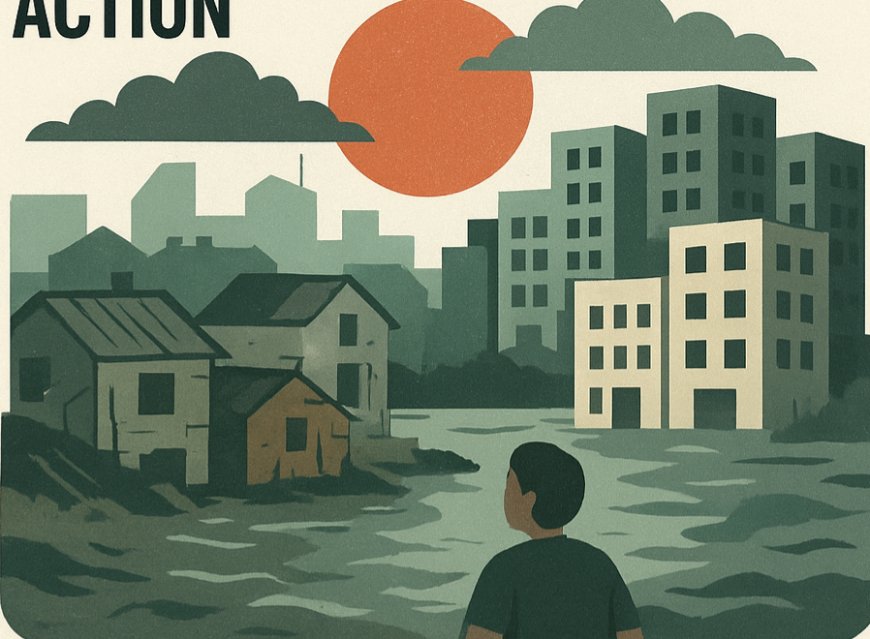
The first Ministerial Meeting of the Intergovernmental Council for Buildings and Climate (ICBC) brought together nations to harmonize housing and building policies with global climate commitments. Rapid urbanization and population growth continue to leave billions exposed to unsafe settlements increasingly vulnerable to floods, storms, and heatwaves.
Established under the Chaillot Declaration and launched at COP29 in Baku, the ICBC is hosted by UNEP’s Global Alliance for Buildings and Construction and jointly led by France, Brazil, and Kenya. It provides a platform for governments to share best practices, monitor progress, and strengthen policies for sustainable and resilient housing.
UNEP Executive Director Inger Andersen emphasized that affordability and sustainability must advance together, highlighting that the buildings sector has the potential to reduce emissions while delivering safe homes for billions of people
However, Belém Call for Action sets concrete, time-bound targets: By 2030; its to integrate climate action into housing policies, establish an Affordable and Sustainable Housing Finance Alliance to close the US$1.1 trillion annual investment gap, and explore how official development assistance can support sustainable hohousing.
In addition, by 2035; its align housing policies fully with the Chaillot Declaration, prioritize energy-efficient and climate-resilient homes, and prohibit construction in high-risk climate zones without protective measures—critical for the 1.12 billion people currently living in vulnerable settlements.
The initiative represents a major global effort to ensure that future generations have access to safe, resilient, and affordable housing, addressing the twin crises of global housing shortages and climate change.